
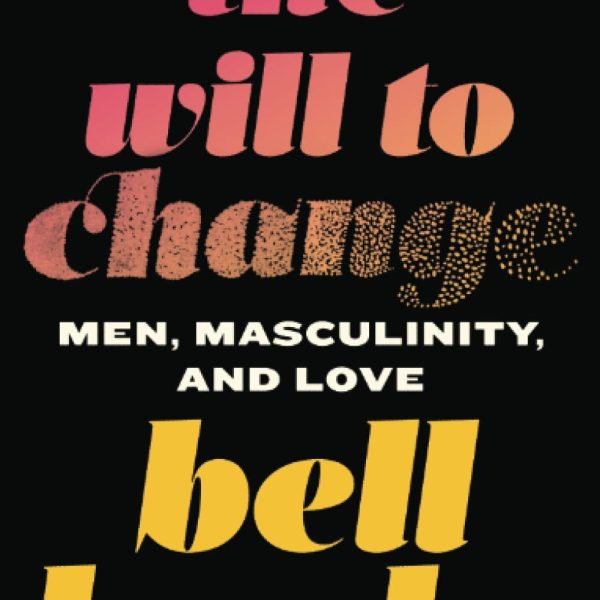
The Will to Change by bell hooks is a powerful exploration of the ways in which patriarchy affects men and women. In this book, hooks argues that patriarchy is a deeply ingrained system of oppression that damages both men and women, and that it is only through a collective effort to challenge and transform this system that true gender equality can be achieved.
One of the key points in The Will to Change is the idea that patriarchy is harmful to both men and women. Hooks argues that patriarchy is a system of domination that privileges men over women and reinforces gender stereotypes. She explains that this system leads to violence, abuse, and inequality, and that it harms both men and women by limiting their potential and restricting their freedom. I do completely agree with this. Men are certainly capable of being nurturers and emotionally intelligent and women are indeed capable of being a breadwinner and better at decision making than their male significant others. I believe you should be with someone that allows you to live in a way that aligns with your own values, mindset and behavior. There’s no sense in being something else for someone.
Another important point in The Will to Change is the idea that patriarchy is reinforced by a culture of silence. Hooks argues that patriarchy is maintained by a culture that encourages men and women to remain silent about their experiences of gender-based violence and discrimination. She explains that this silence allows patriarchy to continue unchallenged, and that it is only by breaking this silence and speaking out about our experiences that we can begin to challenge and transform this system.
Hooks also explores the ways in which patriarchy affects men and women in different ways. She explains that while women are often the primary victims of patriarchy, men are also harmed by this system. Men are expected to conform to rigid gender roles and to suppress their emotions, leading to feelings of isolation and disconnection. Hooks argues that by challenging and transforming patriarchy, men can also gain greater freedom and fulfillment in their lives. Men do a disservice to themselves when we remain quiet about actual issues that we encounter with our significant others. It also enables women to remain as they are escaping accountability. However, it does us no good when most of the discussions men have are geared towards trivial matters. Men should be less concern with what their significant other does regarding make up, hair, and clothing and focus more on when they’re not receptive to constructive criticism or deflect using vulnerable moments as weapons.
Overall, The Will to Change is a compelling and thought-provoking book that offers valuable insights into the ways in which patriarchy affects men and women. By challenging and transforming this system, we can create a more just and equitable society for all.
In The Will to Change, bell hooks discusses how patriarchy can lead women to be problematic in relationships. She argues that patriarchy reinforces the idea that women are natural caregivers and that they are responsible for providing emotional support and care to others. This expectation can lead women to become overly focused on nurturing and caring for others, and to neglect their own needs and desires. Interesting due to the fact that men do the same. Neglecting needs of oneself to help others is not really a concept I believe is entirely due to patriarchy. I think modern society forces both to nurture for others while neglecting their own needs, it just looks different for men and women. For example a lot of men would have probably did something different in their life if income was not a major concern to put bread on the table.
Hooks also discusses the ways in which women are often taught to be passive and submissive, and to put the needs of others before their own. This expectation can lead women to be overly accommodating and nurturing, and to be unable to assert their own needs and boundaries in their relationships. When their nurturing abilities are questioned or challenged, women may feel threatened and defensive, and may respond with anger, resentment, or aggression. Women in relationships remind me of the quintessential Mr. Nice Guy. They don’t like to ever feel like they’re ever lacking somewhere. When men talk about women who use their vulnerability against them it’s usually from this type of situation. The same way men who are self proclaimed nice guys will lash out when they feel like their significant other takes them for granted. The sad part is that many women see nothing wrong with it. I’ve said this before but women are not that great at communicating either. Once they feel attacked they respond no differently than angry men.
Furthermore, hooks discusses the impact of patriarchy on men and women’s communication and relationships. She argues that patriarchy encourages men to be dominant and controlling, and women to be passive and submissive. This dynamic can lead to misunderstandings and conflicts in relationships, as women may be unable to express their own needs and desires, and may feel unable to receive well from men. Interesting enough I don’t see this dynamic play out in modern relationships anymore. I think many men and women are passive unless it’s a major issue while many women and men are very vocal about trivial issues at times.
Overall, hooks argues that patriarchy can lead women to be problematic in their relationships by encouraging them to be overly nurturing and self-sacrificing, and by limiting their ability to assert their own needs and boundaries. By challenging and transforming patriarchy, women can gain greater freedom and empowerment in their relationships.
 Yoruba Demons